
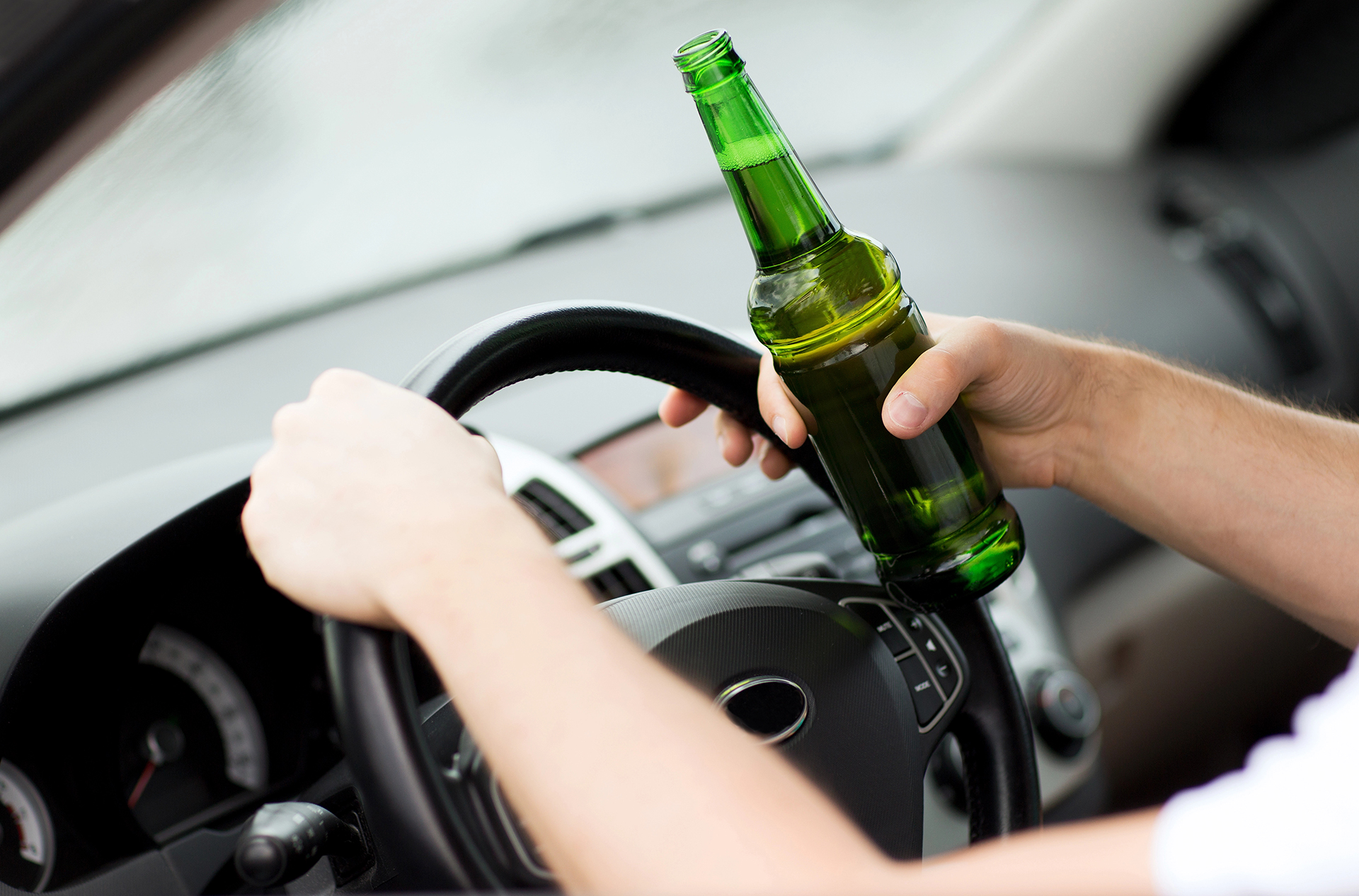
If you or a loved one has been arrested for a drunk-driving offense in Michigan, you’ve likely heard both terms: DUI and OWI. Many people use them interchangeably, but legally they are not the same. Michigan does not charge people with DUI — the official criminal charge is OWI, which stands for Operating While Intoxicated.
This matters because Michigan’s OWI laws carry strict penalties, including potential jail time, loss of driving privileges, and a permanent criminal record. This guide explains the differences, legal definitions, and what an attorney can do to protect your rights.
What Is OWI in Michigan?
Michigan’s primary drunk-driving statute is Operating While Intoxicated (OWI). A person may be charged with OWI if:
- They operated a vehicle with a BAC of 0.08% or higher
- They were visibly impaired by alcohol, even below 0.08%
- They had any amount of a Schedule 1 controlled substance in their system
In Michigan, “operating” includes situations where the vehicle is stationary but the keys are accessible or the engine is on.
OWI vs. DUI — Why Michigan Uses OWI
Most states use DUI (Driving Under the Influence). Michigan lawmakers switched to OWI because:
- You can be charged without actively driving
- Intoxication includes alcohol, illegal drugs, and prescription medication
- The law captures a wider range of impaired driving situations
While you may still hear “DUI,” the official legal charge in Michigan is OWI.
Types of OWI Charges in Michigan
Michigan recognizes several OWI-related offenses:
- Standard OWI (0.08+ BAC)
- High BAC “Super Drunk” (0.17+ BAC)
- OWVI — Operating While Visibly Impaired
- OWI Controlled Substance
- Zero-Tolerance OWI for drivers under 21
Penalties for OWI in Michigan
Even a first OWI can result in:
- Up to 93 days in jail
- Fines up to $500
- Six-month license suspension
- Driving record points
- Vehicle immobilization
- Alcohol education programs
- Higher insurance premiums
How a Michigan OWI Lawyer Can Help
A defense attorney may challenge:
- Breathalyzer calibration
- Field sobriety test accuracy
- Reason for the traffic stop
- Chemical test procedures
- Constitutional violations
- Inconsistent or unreliable evidence
This can lead to dismissal, reduction to OWVI, or a civil infraction.
Conclusion
Understanding the difference between OWI and DUI—and how Michigan applies its impaired driving laws—can significantly impact your case. If you’re facing OWI charges, speaking with a defense attorney as early as possible is crucial to protecting your rights and your future.